

NAPA Launches XR Training Tech for Vehicle Mechanics
NAPA has introduced two new extended reality technologies to help tackle the shortage of trained vehicle mechanics. The new hardware is designed to speed up certification and make daily diagnostic work more efficient. Company representatives recently showed the equipment at an industry event in Lower Manhattan. This technology aims to reduce the time and cost involved in training new apprentices in the automotive field.
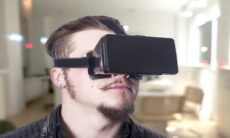
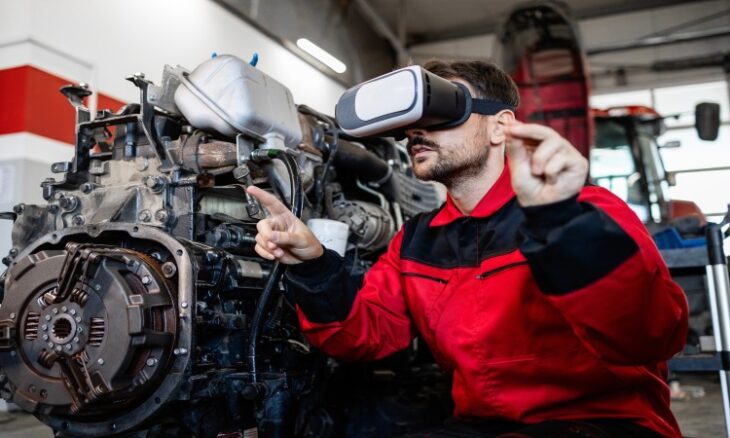
The NAPA XcceleratoR XR Training Goggles are the first part of the system and include fifty-three interactive lessons. These goggles help new technicians earn industry qualifications, such as ASE certification, faster than before. Traditional training can take up to two years, but NAPA expects this system to reduce that to just 30 to 60 days. Over four hundred workshops are already using it.
Trainees work in a virtual workshop where they must follow standard procedures closely. For example, before changing a tyre, users need to put on virtual safety gear and check the vehicle’s service history. The software checks their work at every step. If someone skips a step, the system stops their progress and sends them back to basic lessons. This ensures everyone learns the essential skills before moving forward. The training hardware works with Skillmaker AI. Robin Cowie leads the technology firm. Cowie was previously a film producer on projects known for their first-person camera views, such as The Blair Witch Project. This visual style comes from his upbringing in South Africa. His father thought traditional mining training was inefficient and sometimes unsafe. To improve safety, his father recorded mining activities from a first-person view for trainees. This method directly shaped the visual approach of the new NAPA curriculum.
Developers describe the equipment as an extended reality ecosystem, not just standard virtual reality. The system combines training goggles with Technician Smart Glasses. Trainees use the goggles to learn basic mechanical skills and procedures. When they start working in the real workshop, they switch to the smart glasses for hands-on support. This way, experienced mechanics can keep working on their own jobs instead of spending time supervising basic apprentice tasks.
Mechanics wear the Technician Smart Glasses when working on real vehicles. The glasses have cameras and microphones built in and connect to Android or iOS devices using Bluetooth or Wi-Fi. This setup means mechanics do not have to stop to check manuals or diagrams. Instead, they can ask an automated assistant for technical details while they keep working.
Unlike standard large language models that use information from the open internet, the NAPA assistant only uses a closed set of verified automotive data. In a recent product demonstration, the system solved a complex electrical problem. A user entered the identification number 1G1FE1R74J0118368 for a vehicle that would not start and had lost all diagnostic tool communication after a battery replacement.
The artificial intelligence assistant decoded the identification number to recognise a 2018 Chevrolet Camaro 1SS equipped with a 6.2-litre V8 engine. The system then diagnosed the most probable causes of the electrical failure. It instructed the user to inspect the battery fuse box and the high-current main fusible links. It noted that power to central modules may have blown during the replacement procedure. It further recommended inspecting the primary engine and chassis ground cables alongside the main power distribution terminals. The assistant then offered to display the original equipment manufacturer electrical distribution diagrams directly on the smart glasses.
In another demonstration, the assistant answered a rare automotive question. A user provided the Vehicle Identification Number for an imported LaForza but did not mention the manufacturer. The user wanted the engine firing order using only that number. The assistant found the vehicle make, noted it likely had a 5.0-litre Ford V8 engine, and gave the exact 1-3-7-2-6-5-4-8 firing order.
The hardware is a significant investment for workshop owners. A technician licence costs $3,000 for the first year. Larger repair shops can choose a monthly subscription of $167 per technician. Owners in the pilot program say the system pays for itself quickly because it reduces training time and speeds up vehicle repairs.